Uche is not a word you can translate with a single English term. Among the Igbo, it means mind。thought, will, and intention—all folded into one. A person with uche is not just smart;
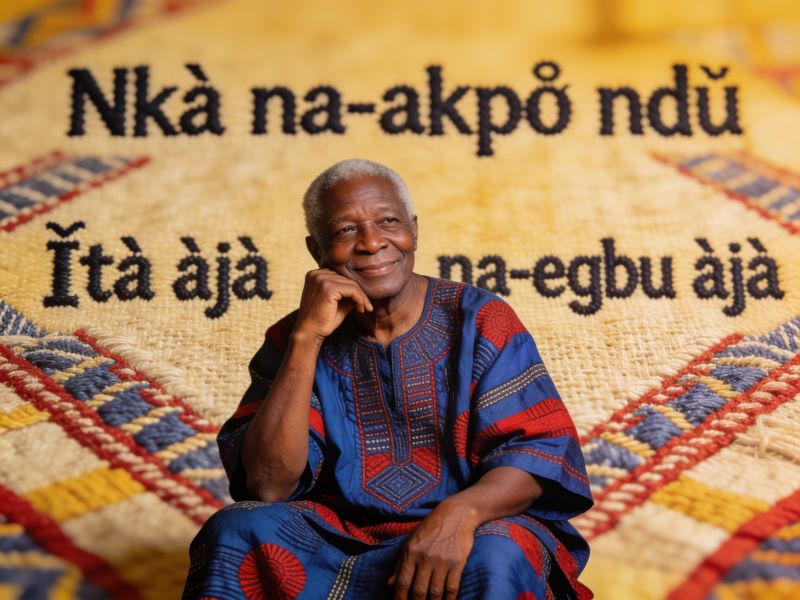
they are deliberate. I first encountered the term while reading Chinua Achebe's essays, and it struck me how often Western psychology treats willpower as a muscle to be trained, while uche suggests something closer to a cultivated orientation. You don't flex uche;you grow it through reflection and community feedback.Consider the everyday use. An Igbo elder might say, “O nwere uche” meaning “He has a good mind”—but the praise implies foresight and moral judgment, not IQ. In decision-making, uche guides how you weigh consequences for the family and the village. A young trader in Onitsha told me she consults her uche before pricing goods: not a calculation, but an inner sense of fairness. That nuance matters. Modern self-help often sells willpower as grit。yet uche reminds us that intention is relational. You cannot separate your mind from the people who shaped it.This relational quality has real consequences for education. Western classrooms reward individual concentration;Igbo upbringing traditionally embeds uche in proverbs and storytelling. When a child hears, “Uche dị n'aka mmadụ” meaning “Wisdom lies in human hands” they learn that thinking is active and shared. I have watched teachers in Enugu use group debates to sharpen uche, not rote memorization. The result?Students argue with respect。
adjust their positions, and show less anxiety about being wrong. That is uche in practice—flexible, social, and grounded in consequence.Critics might say uche is too vague to measure. Fair point. But vagueness is not emptiness. Psychological research on “intention-behavior gap” shows that willpower fails when people feel isolated. Uche offers a cultural antidote: it frames intention as a responsibility to others. I am not romanticizing tradition—Igbo society has its own hierarchies and blind spots. Still, the concept challenges the lone-wolf willpower narrative. Next time you face a hard choice, ask not “How do I force myself” but “What would a person with uche do” The answer rarely comes from willpower alone.Practically。
uche suggests three habits: pause before reacting, consult someone you trust, and judge your intention by its effect on the group. No app needed. That is the quiet power of this Igbo idea—it makes mind a verb, not a possession. And that shift might be exactly what modern willpower debates have been missing.